Deep-Sea Bottom Trawling
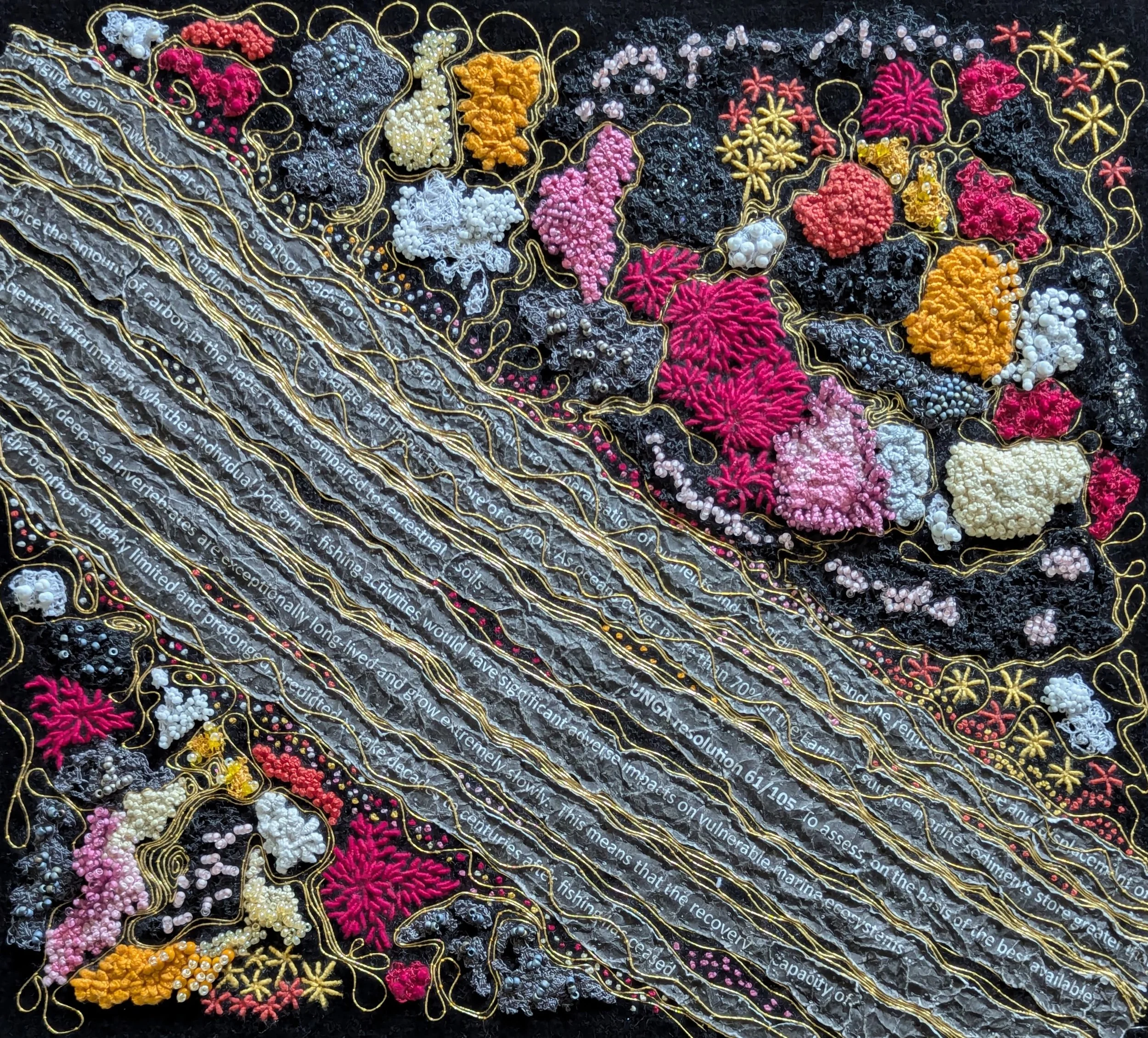
Deep-sea bottom trawling takes place between depths of 200m – 1500 m, often targeting seamounts and canyons where some economically valuable species such as orange roughy* aggregate. These targeted areas are often Vulnerable Marine Ecosystems (VMEs) such as deep-sea corals and sponge fields.
VMEs are at high risk of serious negative impacts from fishing activities and are slow to recover. They are characterised by being unique or rare, fragile, structurally complex, and are used as nursery or spawning grounds, or contain species that are, for example, very long lived making recovery difficult.
Despite various international codes and agreements being in place to regulate high seas destructive fishing practices the implementation and monitoring, control and surveillance of remote deep sea fisheries pose enormous challenges.
*Orange roughy are slow growing and have a life span >140 years.
Bottom trawling is one of the most destructive human activities in the ocean. This industrial-scale practice involves dragging enormous weighted nets along the seabed to catch species that live on or close to the seafloor. The process not only destroys fragile habitats such as corals and sponges reducing them to rubble, but also catches large amounts of untargeted marine life which is often discarded dead as by-catch. It also resuspends carbon stored in ocean sediments.
If you would like to find out more about this topic here are some links: